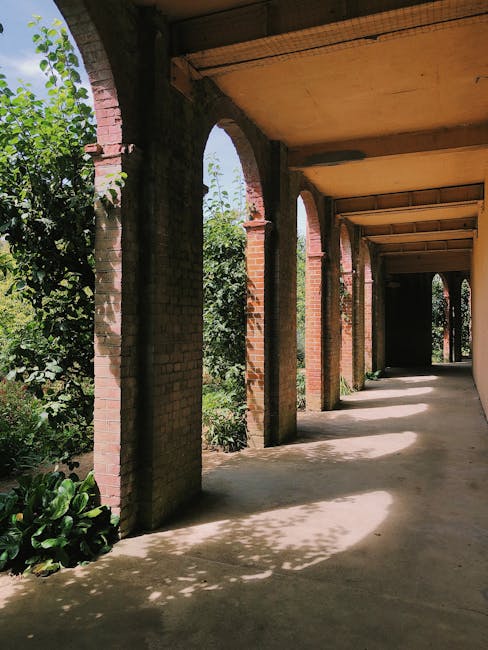
Alexandra Palace garden care and services Wood Green: a practical local guide
If you live near Alexandra Palace or anywhere around Wood Green, garden care can feel like one of those jobs that never quite ends. One weekend it is the lawn, the next it is hedges, then suddenly the borders are overrun and the whole space looks tired. That is where Alexandra Palace garden care and services Wood Green becomes genuinely useful: not as a vague "garden help" idea, but as a proper, organised way to keep outdoor spaces healthy, tidy, and usable all year round.
This guide explains what local garden care usually includes, how the work is done, what good service looks like, and how to decide which tasks need attention first. It also covers practical details people often miss, like waste handling, seasonal timing, and the difference between a quick tidy-up and ongoing maintenance. Let's face it, a garden can look calm from the kitchen window and still have quite a bit going on outside.
Expert summary: Good garden care is not just about making things look neat. It is about preventing bigger problems, protecting planting, keeping outdoor areas safe, and matching the work to the season, the space, and your budget.
Why Alexandra Palace garden care and services Wood Green matters
Gardens in and around Alexandra Palace and Wood Green often face a mix of pressures. There is local shade from mature trees, wind exposure in some streets, compact urban plots, and plenty of planting that needs regular attention rather than the occasional big clear-up. Add in busy family schedules, rented homes, shared access, and small yards squeezed behind terraces, and maintenance can slide fast.
That is why a structured approach matters. A well-kept garden is easier to enjoy, easier to maintain, and less likely to become a costly problem later. Overgrown hedges can block light. Turf can thin out if it is cut badly or left too long between cuts. Damp corners may hold moss or weeds. Even small neglected spaces can become harder to bring back than people expect.
There is also the simple quality-of-life side. A tidy path, a healthy lawn, and a border that actually looks intentional make a big difference when you step outside with a coffee on a bright morning. Small things, but they add up.
For many households, this is also about making outdoor space usable again. If the garden has become a storage zone, or the hedge now brushes the fence every time the wind moves, regular care gives you back control. Not in some dramatic makeover sense, just in a steady, sensible way.
If you are comparing options, it helps to think beyond one-off tidying. A proper plan may involve ongoing garden maintenance, occasional lawn mowing, and seasonal work such as hedge trimming or garden clearance when the space needs a reset.
How Alexandra Palace garden care and services Wood Green works
In practice, garden care usually starts with a simple assessment. What is growing well? What is getting out of hand? What needs urgent attention, and what can wait until the right season? That first look is more important than people realise, because it stops the job becoming random. And random garden work, frankly, is how you end up cutting the wrong plant at the wrong time.
A good service generally follows a sequence like this:
- Initial review - identify the current state of the garden, access issues, waste volume, and any safety concerns.
- Priority setting - decide whether the job is a tidy, a maintenance visit, a clearance, or a broader landscape improvement.
- Work planning - choose the right tools, schedule, and method for the space.
- Carrying out the work - mow, trim, prune, weed, clear, shape, or improve the relevant area.
- Waste removal and finish - gather green waste, leave paths clear, and make the space clean and usable.
For example, a small front garden near Alexandra Palace might only need edging, weeding, and a neat mow. A back garden in Wood Green with an old hedge, patchy lawn, and years of leaf build-up may need a more complete reset. Different problem, different fix. Simple as that.
It is also worth separating maintenance from redesign. Maintenance keeps the garden healthy and tidy. Landscape work changes the shape, structure, or function of the space. If you are thinking about paths, patio-style features, new levels, or timber structures, then services such as landscape gardening, broader landscaping, or even decking services may be relevant.
Key benefits and practical advantages
There are obvious benefits to a well-kept garden, but the useful ones are often the quieter ones.
- Better curb appeal - the property looks cared for, which matters whether you are living there, letting it, or preparing to sell.
- Healthier plants - regular pruning, feeding, and sensible cutting habits help shrubs and lawns recover better.
- Less future work - routine care prevents heavy overgrowth and the kind of cleanup that eats up an entire weekend.
- Safer access - clear paths, trimmed branches, and tidy boundaries reduce trips, slips, and awkward squeezes through narrow areas.
- More usable space - outdoor seating, children's play, and simple everyday use become much easier when the area is under control.
- Better seasonal resilience - a garden that is maintained properly tends to handle dry spells, wet periods, and winter damage more steadily.
One very practical benefit is easier decision-making. Once a garden is in a manageable state, you can actually see what it needs. A tired lawn can be treated. A hedge can be shaped properly. A wild corner can become a compost area or planting bed. Without that first round of care, everything just looks like one big problem.
For people who prefer a single point of contact, using a local provider with a broad service range can simplify things. It avoids juggling separate trades for cutting, clearing, and minor garden improvements. You can review the full range of garden services overview before deciding which approach fits best.
Who this is for and when it makes sense
This kind of service is useful for a lot of people, not just homeowners with large gardens.
- Busy households that want the garden tidy without spending every spare hour outside.
- Older residents who prefer reliable help with heavier or repetitive jobs.
- Landlords and letting agents who need outdoor areas maintained between tenancies.
- First-time buyers who have inherited a garden that is a bit more "project" than they expected.
- Families who need safer, clearer outdoor space for children and pets.
- People preparing to sell and wanting the outside of the property to look cared for.
It also makes sense when the work is starting to feel bigger than your available time or tools. If a hedge has outgrown the ladder you own, or the lawn has become more weed than grass, that is usually the moment to step back and get proper help. Why keep wrestling with it every other Sunday?
Some jobs are seasonal too. Early spring often brings the first growth surge. Late summer can reveal what really survived the heat. Autumn tends to bring leaf clearance, border tidying, and a general "before winter sets in" feeling. You know the drill.
Step-by-step guidance
If you are planning garden care in the Alexandra Palace and Wood Green area, a sensible workflow keeps the job efficient and avoids pointless repeat work.
1. Walk the garden first
Look at the whole space before starting. Check the lawn, borders, hedges, paths, fences, bins, composting areas, and any awkward corners. You are looking for what needs attention now, not what looks annoying from the door.
2. Decide what kind of work it is
Is this maintenance, clearance, pruning, or a small redesign? That distinction matters because each one needs a different amount of time, labour, and equipment.
3. Put safety first
Clear glass, hidden wire, loose slabs, unstable branches, and uneven ground before major work begins. It sounds obvious, but garden injuries often happen during the "I'll just quickly sort this bit" stage.
4. Tackle the garden in the right order
Usually that means clearing debris first, then cutting or trimming, then edging, then detail work. If you cut before clearing, you spend longer picking up the mess later. Nobody enjoys doing the same job twice.
5. Deal with waste properly
Green waste, woody cuttings, and mixed rubbish should be separated where possible. Good disposal habits keep the site tidy and make the finish look professional rather than rushed.
6. Finish with a visual check
Stand back and look at the whole garden. Are the lines even? Are paths clear? Has anything been missed? The final two minutes often make the biggest difference.
Expert tips for better results
In our experience, the biggest improvements often come from a few small habits rather than one dramatic overhaul.
- Cut little and often for lawns. A lawn that is mown regularly usually looks better and stays healthier than one that is hacked back after six weeks of growth.
- Trim hedges at the right moment. Heavy shaping can be useful, but cutting at the wrong time can leave the hedge looking sparse or stressed.
- Mulch where you can. A layer of organic mulch helps retain moisture and keeps weeds down. It is one of those quiet wins.
- Think about drainage. If water sits in the same patch after rain, maintenance alone may not solve it.
- Keep paths and edges visible. That small strip between lawn and border does more for the whole look than many people expect.
Another useful habit: write down what was done and when. Even a rough note on your phone helps you remember when the last trim happened, which plants were cut back, or whether the lawn has already had its spring feed. A simple note. Very unglamorous. Also very useful.
If you are choosing a provider, it is smart to ask how they handle safety, insurance, and waste. A reputable local business should be clear about its approach. You can also review their insurance and safety information and health and safety policy if you want extra reassurance before work starts.
Common mistakes to avoid
Most garden problems are not caused by one big disaster. They are usually caused by a lot of small, slightly lazy decisions that stack up over time. Harsh, but true.
- Cutting too much at once - especially with hedges and shrubs, which can look stripped and recover slowly.
- Ignoring the soil - a neat surface means very little if the ground below is compacted, dry, or depleted.
- Leaving clearance work too long - a garden full of branches, rubble, and dead growth becomes much harder to bring back.
- Using the wrong tools - blunt blades and unsuitable equipment can damage plants and waste time.
- Forgetting the season - some work is best done now, some later, and some not at all in certain conditions.
- Only focusing on appearance - good care balances looks with plant health, drainage, and long-term maintenance.
A common one around Wood Green is the "I'll sort it properly in spring" approach that quietly becomes "I'll sort it properly next spring." If that sounds familiar, no judgment. But gardens do not usually improve by waiting.
Tools, resources and recommendations
You do not need a shed full of kit to keep a garden under control, but the right tools matter. For routine work, a sharp mower, reliable secateurs, sturdy gloves, a rake, a hoe, and a decent debris sack can cover a surprising amount. For larger or more awkward gardens, professional-grade tools make work safer and more consistent.
Useful practical choices include:
- Hand tools for detail work - best for edging, deadheading, and light pruning.
- Powered cutting equipment - helpful for larger lawns or substantial hedge work.
- Green waste bags or bins - keep the site manageable while work is ongoing.
- Mulch and compost materials - useful for improving soil and reducing weeds.
- Protective equipment - gloves, eyewear, and sturdy footwear are not optional when the job is heavy or thorny.
If you are planning a larger tidy-up, it may help to combine tasks rather than booking them separately over several weeks. A single visit that includes clearance, cutting, and light maintenance can often be more efficient. If the garden is genuinely overgrown, start with garden clearance before shifting into regular upkeep.
For ongoing routine work, maintenance services are usually the most practical option. They keep the job from escalating and make each visit smaller, quicker, and less stressful. Which, to be fair, is the whole point.
Law, compliance, standards, or best practice
Garden care is not usually heavy on regulation, but there are still sensible standards to follow. If tree work is involved, or if branches could affect neighbouring property, a cautious approach is wise. Some trees may be protected, and some situations may require permission or specialist handling. When in doubt, it is better to check first than to cut first and ask questions later.
Safe working practice also matters. Reputable providers should follow sensible risk controls, especially with ladders, cutting tools, fallen branches, and waste handling. That usually means planning access, using the right equipment, and avoiding unsafe shortcuts. The best work often looks calm because it was organised properly behind the scenes.
Insurance is another consideration, especially for anything involving trees, hard landscaping, or work near structures. You should not be left wondering who is responsible if something goes wrong. For that reason, it is reasonable to ask about insurance and safety before agreeing to larger jobs.
Environmental best practice matters too. Green waste should be handled responsibly where possible, and materials should be reused or recycled where appropriate. If sustainability is important to you, it may be worth looking at a provider's recycling and sustainability approach.
Options, methods, or comparison table
Choosing the right approach depends on what your garden needs right now. A quick comparison helps:
| Approach | Best for | Typical outcome | Main limitation |
|---|---|---|---|
| One-off tidy-up | Lightly neglected gardens, seasonal refreshes | Immediate visual improvement | Problems may return quickly without follow-up |
| Regular maintenance | Homes that want steady control all year | Healthier, easier-to-manage garden | Requires consistency |
| Clearance first, maintenance later | Overgrown or cluttered spaces | Resets the garden into a workable state | Can feel like a bigger job at the start |
| Landscape improvement | Gardens needing layout, structure, or usability changes | More functional and better-looking space | Usually needs planning and a larger budget |
If you are unsure, start with the question: do I need the garden to look better, work better, or both? That one question often points you to the right method.
Case study or real-world example
Imagine a back garden near Alexandra Palace that has been left for a couple of seasons. The lawn is patchy, the hedge is leaning into the path, and there is a corner filled with old pots, broken canes, and a surprising amount of leaf litter. Nothing dramatic. Just enough to make the space feel slightly hopeless every time the owner opens the back door.
The best first move would not be a full redesign. It would be a clear sequence: remove waste, define the usable area, trim the hedge back to a sensible line, mow or renovate the lawn, and tidy the borders so the planting can breathe again. Once that is done, the garden instantly reads differently. The same space, but calmer. Less noise visually.
From there, the next visit can focus on maintenance rather than rescue work. That shift matters because rescue work is slower, messier, and harder on the budget. Maintenance is steadier and kinder to the garden long term.
That sort of staged approach is exactly why some homeowners prefer to review the full services overview first. It helps them match the right task to the current state of the space rather than guessing.
Practical checklist
Use this checklist if you are getting ready to book or plan garden care in Wood Green or around Alexandra Palace:
- Walk the garden and note the worst areas first.
- Decide whether you need maintenance, clearance, trimming, or landscaping.
- Check whether access is easy for tools and waste removal.
- Remove obvious hazards such as loose debris, broken pots, or hidden items.
- Think about any trees, hedges, or climbing plants that need special attention.
- Consider whether the lawn needs mowing, scarifying, or just edging.
- Separate jobs that need quick action from jobs that can wait.
- Ask about waste disposal and what happens to green cuttings.
- Review safety, insurance, and payment details before work begins.
- Plan a follow-up date so the garden does not slide back into the same state.
If you need a bit more background on the business side of things, you can also read about the team and check the pricing and quotes guidance before moving ahead.
Conclusion
Alexandra Palace garden care and services Wood Green is really about making outdoor space manageable again. Not perfect. Not polished to the point of being untouchable. Just healthier, tidier, safer, and easier to enjoy in ordinary life.
Whether you need a small seasonal refresh, ongoing maintenance, or a more involved clearance and improvement plan, the smart move is to start with what the garden actually needs now. That keeps costs realistic, saves time, and usually delivers a better result. The garden tells you a lot if you slow down and look properly.
And if you are weighing up your next step, a straightforward conversation about the work, timing, and budget can make everything feel much less daunting. Sometimes that is all it takes to get started.
Get a free quote today and see how much you can save.
If you are ready to take the next step, contact the team through the website and choose the level of help that fits your garden, your time, and your goals. A well-kept garden has a quiet way of making home feel easier. That part never really gets old.
Frequently Asked Questions
What does Alexandra Palace garden care and services Wood Green usually include?
It can include lawn mowing, hedge trimming, weeding, border tidying, green waste removal, seasonal clearance, and more involved landscaping work if needed. The exact mix depends on the garden's condition and what you want it to do.
How often should a garden in Wood Green be maintained?
That depends on size, planting, and how quickly things grow. Lawns may need regular mowing in the growing season, while hedges and borders often need attention less frequently. A monthly or fortnightly pattern works well for many homes, but some gardens need more or less.
Is garden clearance different from garden maintenance?
Yes. Garden clearance is usually for overgrown, cluttered, or neglected spaces that need a reset. Maintenance is the ongoing work that keeps the garden in good shape once it has been brought under control.
Do I need landscaping or just basic garden care?
If your garden mostly needs tidying, cutting, and upkeep, basic care is usually enough. If the layout is awkward, the space is hard to use, or you want paths, decking, or structure changes, landscaping may be more suitable.
Can hedge trimming and lawn mowing be booked together?
Often, yes. In fact, combining jobs is usually more efficient because the garden can be cleared, shaped, and finished in one visit rather than split across several appointments.
What should I do before the team arrives?
Clear any fragile items, unlock access gates, and note any areas you want left alone. If there are hidden hazards, old tools, or awkward access points, it helps to mention them in advance. That saves time and avoids little surprises.
How do I know if a tree needs professional attention?
If branches are dead, leaning, crossing into structures, or causing concern about safety, it is sensible to get professional advice. Tree work can be more involved than it looks, especially near fences, roofs, or shared boundaries.
Will green waste be removed after the job?
It should be discussed before work starts. Some jobs include waste removal, while others may leave compostable material on site if that suits the garden plan. Always ask so there are no misunderstandings later.
Is regular garden maintenance worth it for a small garden?
Very often, yes. Small gardens can become messy quickly, and they tend to show neglect faster than large ones. Regular care keeps them usable and stops tiny problems becoming big ones.
How can I compare providers for garden services in Wood Green?
Look at the range of services offered, how clearly the work is explained, whether safety and insurance are addressed, and whether the service feels tailored rather than generic. A proper provider should make the next step clear, not confusing.
Where can I learn more about the company and its policies?
You can review the company background on the about us page, check the terms and conditions, and read the privacy policy if you want to understand how information is handled.
What is the best first step if my garden feels overwhelming?
Start with a simple assessment and decide whether you need clearance, maintenance, or a broader improvement plan. If the space is very overgrown, begin with clearance. If it is mostly under control, routine maintenance may be enough to get things back on track.