Recycling and Sustainability: Gardening Wood Green
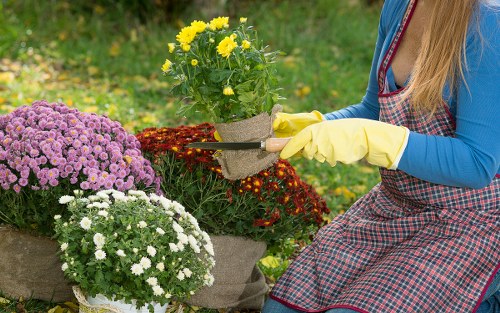 Gardening Wood Green is committed to creating an eco-friendly waste disposal area and a thriving sustainable rubbish gardening area for residents, allotments and community plots. Our approach balances practical waste management with biodiversity, re-use and circular-economy thinking. In Wood Green we champion separated collections, community composting and careful reuse of soil, timber and plant material. Every garden spoil heap can become a valuable resource when processed through local recycling channels and community schemes.
We have set a clear recycling percentage target to measure progress: the borough aims to meet a 60% household recycling rate by 2030, rising through staged milestones and year-on-year improvement. This target covers garden waste, food waste, dry recycling and reuse streams specific to gardening and landscaping projects. Achieving this requires coordinated action across residents, allotment holders and local green organisations to increase capture rates for organics and recyclable garden materials.
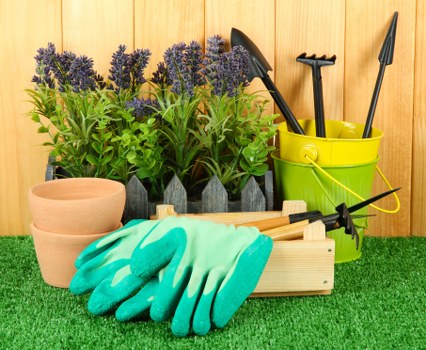 The borough's approach to waste separation underpins our plan: food waste caddies, dedicated green bins for garden clippings, and mixed-recycling containers for pots, trays and packaging. Wood Green aligns with neighbouring boroughs on source separation and shared transfer infrastructure, so compostables stay out of residual waste and go into restorative compost systems. We also prioritise low-impact transport for collections and transfers to reduce the local carbon footprint.
To deliver these aims we support a set of practical actions and partnerships. Key actions include:
- Expand community composting and in-situ processing at larger allotment sites to cut vehicle miles and create local soil improvers.
- Increase reuse channels for turf, timber and stone via material exchanges and charity partnerships.
- Roll out educational signage at transfer points and green spaces to encourage proper separation.
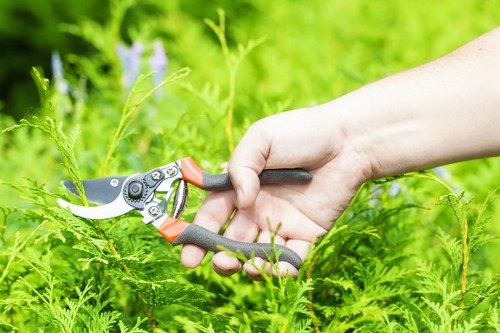 Local transfer stations play a central role in handling collected materials. We work closely with the North London waste network and borough-operated transfer stations so garden waste, wood and green residues are sorted and sent to processing facilities quickly. These hubs reduce double-handling and support high-quality composting, wood-chipping and recycling of inert materials from landscaping. The proximity of well-managed transfer sites helps the sustainable rubbish gardening area operate efficiently and keeps transport emissions low.
 Partnerships with charities and social enterprises are a cornerstone of the programme. We collaborate with local food redistribution charities, habitat restoration groups and community gardens to redirect usable topsoil, plants and timber. These partnerships provide items for community greening projects while diverting bulky garden waste from residual landfills. Charities benefit from a steady supply of reclaimed materials and community volunteers, and residents gain accessible options for donating excess soil, compost and reusable pots.
Our fleet strategy emphasises low-carbon vans for collection and redistribution. We are transitioning to electric and hybrid vehicles and trialling biomethane options for heavier loads, which reduces emissions from the collection phase of the eco-friendly waste disposal area. Logistics are planned to maximise load efficiency, combining garden and food-waste rounds where appropriate and routing vehicles to minimise mileage. This low-emission fleet supports the sustainability goals of Gardening Wood Green while demonstrating how green collections can be scaled across urban boroughs.
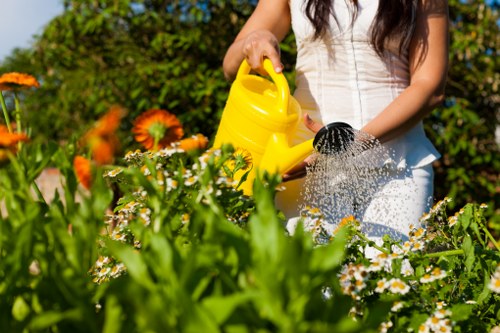
Creating a sustainable rubbish gardening area in practice
Community participation and measurable outcomes
Success depends on simple, adoptable habits: separating compostables at source, using bag-less garden collections where offered, and participating in local material exchange schemes. We monitor progress against our percentage recycling target and publish updates on capture rates for organic and recyclable gardening materials. By combining civic infrastructure (transfer stations, low-carbon vans) with charity partnerships and neighbourhood compost hubs, Gardening Wood Green aims to create a resilient, circular system for green waste.
Summary of commitments: targeted recycling percentage, integrated transfer station use, charity partnerships for reuse, and a low-carbon vans fleet. Together these form an actionable plan to make Wood Green a model for urban eco-friendly waste disposal and a robust sustainable rubbish gardening area that nurtures soil, community and biodiversity.